Women in Music / Mujeres en la Música
In Alliance with /
En Alianza con
Ella Suena

Celebrating Impact / Celebrando el Impacto
A feature celebrating women making an impact in music.
Un espacio que celebra a mujeres impactando la música.
ODETTE


(EN)
About ODETTE
ODETTE is a Puerto Rican singer-songwriter, guitarist, producer, and audiovisual creator known for her powerful vocal range and commanding stage presence. Her sound fuses vintage rock with contemporary textures and Puerto Rican roots, weaving in bomba rhythms, traditional percussion, and the cuatro. Rocker by essence and Puerto Rican by root, she has built an artistic identity that connects the force of rock with her Caribbean heritage.
Her career has unfolded between Puerto Rico and Los Angeles. In L.A., she founded DOLCE FM, an all-female Latina band that became part of the city's music scene, and worked with respected songwriters and musicians, including Rafa Esparza. Back home, she went deeper in search of her own sound: "Quiero Ver Corazones" fused rock with bomba, and "Cenizas Rosas," created after Hurricane María as a message of hope for Puerto Rico, brought together musicians including Christian Nieves (guitarist and cuatro player for Ricky Martin and Luis Fonsi) and players connected to Sol D' Menta, Tito Rodríguez, and Gabi Calero, former drummer of Black Guayaba.
Her signature track, "La Cantante," is a rock reimagining of "El Cantante," written by Rubén Blades and immortalized by Héctor Lavoe. It held the number one spot on AC Rock for several weeks, and Funky Joe of La Mega Puerto Rico described her as "Pat Benatar y La Lupe." Her catalog also includes "Sol con Lluvia," "Te Quiero Para Mí," and "Solo Quiero Amanecer." She is currently shaping her next era with producer Alexis Pérez of Arecibo.
A visual storyteller as much as a musician, ODETTE has produced and conceptualized seven music videos. On stage, she has performed at Distrito T-Mobile, La Respuesta, Handlebar, the Puerto Rico Convention Center, and Palmas del Mar, and has shared the stage with Rabbanis.
Project(s): Debut studio album (February 2027) | Short Film Inspired by two music videos
3 Questions:
1. You've said "La Cantante" is a love letter to Héctor Lavoe from the perspective of a Puerto Rican woman who lives music with intensity. What does that intensity look like from your perspective?
For me, that intensity lives in the essence of the song from beginning to end. "El Cantante" reflects the duality we artists live with: everything we may be going through personally, and still, stepping on stage and giving our very best. It speaks of sacrifice, frustration, pain, passion, and devotion, a reality many artists can identify with.
"La Cantante" is my interpretation of that story from a female perspective, as a woman, a Puerto Rican, and an artist. In the music video, I reflect exactly that reality: a singer who gives everything on stage while facing situations like not being fairly paid, sexual harassment, people who ignore her talent, and others who truly recognize and value it.
For me, that's where the love letter to Héctor lies: honoring the feeling he conveyed, identifying with that journey, and continuing that story in my own voice.
2. You've worked alongside names like Christian Nieves, Rafael Esparza, and Danny Thomas. What has collaborating with them taught you about your own voice and vision as an artist?
Working with Danny Thomas and Rafa Esparza in Los Angeles, California, at the start of my career was a huge validation for me as a songwriter. Danny has been a producer, songwriter, and keyboardist for Diego Torres and has written for artists such as Marta Sánchez, Olga Tañón, and Chayanne, among others. Rafa has also written for artists like Olga Tañón and Pedro Capó, among many others. These are songwriters with recognized careers, and for me, the fact that they wanted to sit down and write with me and collaborate on my songs was a very important confirmation. I never formally studied music or songwriting, and at first I doubted myself. They helped me understand that my voice as a songwriter had value and that I deserved a seat at that table.
When I returned to Puerto Rico, I started writing and taking classes with the dream of making my solo album, and then the devastating Hurricane María hit. That's how "De Cenizas Rosas" was born, a song I wrote hoping it could become a message of encouragement and transformation for Puerto Rico. I wanted to bring together musicians from the rock scene while keeping our Puerto Rican identity and creating, as one line of the song says, a "powerful frequency."
I was referred to Christian Nieves to bring in the Puerto Rican cuatro as the signature of our land. I sent him the song, explained its purpose, and without knowing me personally, he agreed to record and appear in the video. Having a musician of his caliber believe in the song and its purpose was another great gift and another confirmation that it can be done.
In the end, those experiences gave me something essential: confidence in my own voice, in my instinct as a songwriter, and in the artistic vision I wanted to build.
3. With your debut album on the way and a collaboration with Viva Nativa coming up, what do you want people to understand about you as an artist once the full project is out?
I want people to understand that this album is genuine. It was born from real experiences, effort, sacrifice, and a passion for making art from a place of honesty, not trends. For me, it's very important to preserve real instruments and that human energy in music.
For a long time, I thought that liking so many genres and styles could be a negative thing, until I understood that rock gave me exactly that freedom. Rock has an enormous range of colors, and I found my own language by fusing it with Latin and Puerto Rican elements, from my own vision. I deeply believe that we as artists must defend our creative integrity, regardless of what's trending.
And having Viva Nativa, a band with a wonderful legacy and an important part of Puerto Rican rock, want to be part of one of my songs is another great gift from life. For me, it once again confirms something that has defined this entire journey: that a woman working on her own initiative, without major backing and with modest resources, can achieve wonderful things when she works from the heart, with faith and determination.
(ES)
Sobre ODETTE
ODETTE es una cantautora, guitarrista, productora y creadora audiovisual puertorriqueña, reconocida por su poderoso rango vocal y su imponente presencia escénica. Su sonido fusiona el rock vintage con texturas contemporáneas y raíces puertorriqueñas, entrelazando ritmos de bomba, percusión tradicional y el cuatro. Rockera por esencia y boricua de raíz, ha construido una identidad artística que une la fuerza del rock con su herencia caribeña.
Su carrera se ha desarrollado entre Puerto Rico y Los Ángeles. En L.A. fundó DOLCE FM, una banda de mujeres latinas que se integró a la escena musical de la ciudad, y trabajó con reconocidos compositores y músicos, entre ellos Rafa Esparza. De regreso en su tierra, profundizó en la búsqueda de su propio sonido: "Quiero Ver Corazones" fusionó el rock con la bomba, y "Cenizas Rosas", creada tras el huracán María como un mensaje de esperanza para Puerto Rico, reunió a músicos como Christian Nieves (guitarrista y cuatrista de Ricky Martin y Luis Fonsi) y a integrantes vinculados a Sol D' Menta, Tito Rodríguez y Gabi Calero, exbaterista de Black Guayaba.
Su tema insignia, "La Cantante", es una reinterpretación en clave de rock de "El Cantante", escrita por Rubén Blades e inmortalizada por Héctor Lavoe. La canción se mantuvo varias semanas en el primer lugar de AC Rock, y Funky Joe, de La Mega Puerto Rico, la describió como "Pat Benatar y La Lupe". Su catálogo también incluye "Sol con Lluvia", "Te Quiero Para Mí" y "Solo Quiero Amanecer".
Actualmente da forma a su próxima etapa junto al productor Alexis Pérez, de Arecibo.
Narradora visual tanto como música, ODETTE ha producido y conceptualizado siete videos musicales. Se ha presentado en escenarios como Distrito T-Mobile, La Respuesta, Handlebar, el Centro de Convenciones de Puerto Rico y Palmas del Mar, y ha compartido tarima con Rabbanis.
Proyecto(s): Álbum de estudio debut (febrero 2027) | Cortometraje inspirado 2 videos musicales
3 Preguntas:
1. Has dicho que "La Cantante" es una carta de amor a Héctor Lavoe desde la mirada de una mujer puertorriqueña que vive la música con intensidad. ¿Cómo se ve esa intensidad desde tu perspectiva?
Para mí, esa intensidad vive en la esencia de la canción de principio a fin. "El Cantante" refleja la dualidad que vivimos los artistas: todo lo que podamos estar atravesando en lo personal y, aun así, subir al escenario y dar lo mejor de nosotros. Habla de sacrificio, frustración, dolor, pasión y entrega, una realidad con la que muchos artistas se pueden identificar.
"La Cantante" es mi interpretación de esa historia desde una perspectiva femenina, como mujer, como puertorriqueña y como artista. En el video musical reflejo precisamente esa realidad: una cantante que lo da todo en el escenario mientras enfrenta situaciones como no recibir un pago justo, el acoso sexual, personas que ignoran su talento y otras que verdaderamente lo reconocen y lo valoran.
Ahí es donde, para mí, está la carta de amor a Héctor: en honrar el sentimiento que él transmitía, identificarme con ese camino y continuar esa historia con mi propia voz.
2. Has trabajado junto a nombres como Christian Nieves, Rafael Esparza y Danny Thomas. ¿Qué te ha enseñado colaborar con ellos sobre tu propia voz y tu visión como artista?
Trabajar con Danny Thomas y Rafa Esparza en Los Ángeles, California, al inicio de mi carrera fue una gran validación para mí como compositora. Danny ha sido productor, compositor y tecladista de Diego Torres, y ha escrito para artistas como Marta Sánchez, Olga Tañón y Chayanne, entre otros. Rafa también ha escrito para artistas como Olga Tañón y Pedro Capó, entre muchos más. Son compositores con carreras reconocidas, y que quisieran sentarse a escribir conmigo y colaborar en mis canciones fue una confirmación muy importante. Nunca estudié música ni composición formalmente y, al principio, dudaba de mí misma. Ellos me ayudaron a entender que mi voz como compositora tenía valor y que merecía un lugar en esa mesa.
Cuando regresé a Puerto Rico, comencé a escribir y a tomar clases con el sueño de hacer mi álbum como solista, y entonces llegó el devastador huracán María. Así nació "De Cenizas Rosas", una canción que escribí con la esperanza de que se convirtiera en un mensaje de aliento y transformación para Puerto Rico. Quería reunir a músicos de la escena rockera manteniendo nuestra identidad puertorriqueña y creando, como dice una línea de la canción, una "frecuencia poderosa".
Me refirieron a Christian Nieves para integrar el cuatro puertorriqueño como sello de nuestra tierra. Le envié la canción, le expliqué su propósito y, sin conocerme personalmente, aceptó grabar y aparecer en el video. Que un músico de su calibre creyera en la canción y en su propósito fue otro gran regalo y otra confirmación de que sí se puede.
Al final, esas experiencias me dieron algo esencial: confianza en mi propia voz, en mi instinto como compositora y en la visión artística que quería construir.
3. Con tu álbum debut en camino y una colaboración con Viva Nativa por venir, ¿qué quieres que la gente entienda de ti como artista cuando el proyecto completo salga a la luz?
Quiero que la gente entienda que este álbum es genuino. Nació de experiencias reales, esfuerzo, sacrificio y pasión por hacer arte desde la honestidad, no desde las tendencias. Para mí es muy importante preservar los instrumentos reales y esa energía humana en la música.
Durante mucho tiempo pensé que el hecho de que me gustaran tantos géneros y estilos podía ser algo negativo, hasta que entendí que el rock me daba precisamente esa libertad. El rock tiene una enorme gama de colores, y encontré mi propio lenguaje al fusionarlo con elementos latinos y puertorriqueños, desde mi propia visión. Creo profundamente que, como artistas, debemos defender nuestra integridad creativa, sin importar lo que esté de moda.
Y que Viva Nativa, una banda con un legado maravilloso y parte importante del rock puertorriqueño, quiera formar parte de una de mis canciones es otro gran regalo de la vida. Para mí, confirma una vez más algo que ha definido todo este camino: que una mujer que trabaja por iniciativa propia, sin grandes respaldos y con recursos modestos, puede lograr cosas maravillosas cuando trabaja desde el corazón, con fe y determinación.
Izis, La Enfermera de la Salsa | Nurse of Salsa


(EN)
About Izis:
Izis, The Nurse of Salsa, is a singer, songwriter, and healthcare professional — a combination that fully defines her artistic identity.
Trained in flute and choral singing, she turned her vocation for caregiving into a musical concept that addresses women's independence, self-love, and overcoming adversity. She has released three productions — Te Curaré (2020), La Enfermera Llegó (2022), and A Mi Manera (2024) — and has shared the stage with Choco Orta, Domingo Quiñones, Maelo Ruiz, and La Sonora Ponceña, as well as opening shows for Larry Harlow and Gilberto Santa Rosa.
In 2023 she received the Key to the City of Columbus, Georgia. Her repertoire spans salsa, bachata, Latin jazz, pop, and R&B.
Project(s): A Mi Manera and the upcoming release "Quédate"
3 Questions:
1. Your artistic identity blends "The Nurse" with salsa — where did that character come from, and how has it shaped the way audiences connect with you?
I decided to sing salsa because it's something that connects me to my roots and to my parents, since that's the music they listened to. Not having grown up on my island, I found in salsa a way to strengthen that bond with my culture.
When I decide to record certain salsa songs, I do it because it's a genre I want to explore, hoping that other people can appreciate it too and feel represented. I don't want to directly follow in the footsteps of any particular salsera or salsero; still, influences are always present and evident.
I also can't deny that I enjoy singing other genres. I love R&B, I like pop, and those influences come out naturally both in my voice and in the songs I choose to perform.
2. Beyond music, you also created Cocolawear, your hand-painted hat line — how do you balance running a creative business alongside your career as a singer, and what advice would you give other women in music who want to start something similar?
It always requires balance. When I wake up each day, I know the schedule is full and that every decision means choosing one thing over another. Maybe right now isn't the time for certain projects. For example, right now I'm in a position where I can't give them the time they require, so I choose to focus on other priorities and responsibilities.
It's also important to recognize what you're going to sacrifice. I have the privilege of having the support of my husband and my family. The time other people might be able to dedicate entirely to one thing, I have to spread across several areas of my life. I recognize that I can't give 100% to music, and the sacrifice is knowing my path will probably take longer. But I'm at peace with that because every stage has its own moment.
3. Salsa has such deep roots and so much history — you're diversifying the "standards." What has it meant for you to claim your own space in that world, and what do you hope opens up for the women who come after you?
I also choose songs that speak to issues that matter deeply to women: independence, strength, and the ability to keep moving forward after a broken heart.
The reason I do this is because I myself look for that kind of song, and I feel there aren't as many women performing messages like these anymore. Going back to the idea that I'm a nurse, that I bring healing and medicine through music — these are exactly the themes that need a voice and deserve to reach a wider audience.
Maybe there are young people going through difficult situations who need to hear those words. I want them, especially when the chorus comes in, to find strength, confidence, and the certainty that any obstacle really can be overcome.
(ES)
Sobre Izis:
Izis, La Enfermera de la Salsa es cantante, compositora y
profesional del área de la salud, una combinación que define por completo su propuesta artística.
Formada en la flauta y en el canto coral, convirtió su vocación por el cuidado en un concepto musical que aborda la independencia de la mujer, el amor propio y la superación de la adversidad. Ha publicado tres producciones —Te Curaré (2020), La Enfermera Llegó (2022) y A Mi Manera (2024)— y ha compartido escenario con Choco Orta,Domingo Quiñones, Maelo Ruiz y la Sonora Ponceña, además de abrir espectáculos para Larry Harlow y Gilberto Santa Rosa.
En 2023 recibió la Llave de la Ciudad de Columbus, Georgia. Su repertorio recorre salsa, bachata, jazz
latino, pop y R&B.
Proyecto (s): A Mi Manera y el próximo lanzamiento de “Quédate”
3 Preguntas:
-
Tu identidad artística combina 'La Enfermera' con la salsa — ¿de dónde nació ese personaje, y cómo ha marcado la forma en que el público se conecta contigo?
Decidí cantar salsa porque es algo que me conecta con mis raíces y con mis padres, ya que esa era la música que escuchaban. Al no haber crecido en mi isla, encontré en la salsa una manera de fortalecer ese vínculo con mi cultura.
Cuando decido grabar ciertos temas de salsa, lo hago porque es un género que deseo explorar, con la esperanza de que otras personas también puedan apreciarlo y sentirse identificadas. No quiero seguir directamente los pasos de ninguna salsera ni de ningún salsero; sin embargo, las influencias siempre estarán presentes y son evidentes.
Tampoco puedo negar que disfruto cantar otros géneros. Me encanta el R&B, me gusta el pop, y esas influencias salen de manera natural tanto en mi voz como en los temas que elijo interpretar.
2. Más allá de la música, también creaste Cocolawear, tu línea de sombreros pintados a mano — ¿cómo equilibras llevar un negocio creativo junto con tu carrera como cantante, y qué consejo le darías a otras mujeres en la música que quieren emprender algo similar?
Siempre conlleva un balance. Cuando me levanto cada día, sé que la agenda está llena y que cada decisión implica elegir entre una cosa u otra. Quizás en este momento no sea el tiempo para ciertos proyectos. Por ejemplo, ahora mismo estoy en una posición donde no puedo dedicarles el tiempo que requieren, así que decido enfocarme en otras prioridades y responsabilidades.
También es importante reconocer qué es lo que vas a sacrificar. Yo tengo el privilegio de contar con el apoyo de mi esposo y de mi familia. El tiempo que otras personas quizás podrían dedicar completamente a una sola cosa, yo tengo que distribuirlo entre varias áreas de mi vida. Reconozco que no puedo darle el 100 % a la música, y el sacrificio es saber que mi camino probablemente tomará más tiempo. Pero estoy en paz con eso porque cada etapa tiene su momento.
3. La salsa tiene raíces tan profundas y con tanta historia — estas diversificando "estándares". ¿Qué ha significado para ti reclamar tu propio espacio en ese mundo, y qué esperas que se abra para las mujeres que vienen detrás de ti?
También escojo canciones que hablan de temas muy importantes para la mujer: la independencia, la fortaleza y la capacidad de seguir adelante frente a un corazón roto.
La razón por la que lo hago es porque yo misma busco ese tipo de canciones, y siento que ya no hay tantas mujeres interpretando mensajes como esos. Si volvemos a la idea de que soy una enfermera y que brindo cura y medicina a través de la música, entonces estos son precisamente los temas que necesitan una voz y que merecen llegar a un público más amplio.
Quizás hay jóvenes que están atravesando situaciones difíciles y necesitan escuchar esas palabras. Quiero que, especialmente cuando llegue el coro, encuentren fuerza, confianza y la certeza de que sí se puede superar cualquier obstáculo.
gabycabral!


Connect | Conecta:
(EN)
About gabycabral!
María Gabriela Cabral Rodríguez, also known as gabycabral!, is a Dominican producer, songwriter, and sound engineer, a graduate of the Sound Technology program at the Instituto Tecnológico de Las Américas (ITLA). She is known for her fresh, diverse sound, with strong R&B influences.
María Gabriela has solid professional experience in production, engineering, and songwriting, having worked with renowned artists. She is currently the house engineer at Studio 17. This has allowed her to work as a recording engineer for a variety of artists.
Additionally, María Gabriela has her own project as an independent artist, gabycabral!, through which she showcases different sounds and nuances, giving herself the chance to explore her side as an artist.
3 Questions:
1. What's something music has taught you?
That we all have different ways of reaching the same result, and it's always good to learn from that. I also feel music has taught me to work as a team, *laughs*.
2. What's your favorite part of the process of being a producer and sound engineer?
Definitely working more closely with other people, getting to know their perspectives, and being able to share different ways of doing things. Also being able to help artists and/or fellow producers and engineers bring to life and make real what they have in their heads.
3. What advice would you give to women who are just starting out in the industry?
Get as involved as you can in your projects, no matter what role you play in them. Also, educate yourself and stay curious about the technical and practical sides of your role, whether you're interested in being a producer, engineer, songwriter, artist, or any other area. Learn the game. Then break the game.
(ES)
Sobre gabycabral!
María Gabriela Cabral Rodríguez, también conocida como gabycabral!, es una productora, compositora e ingeniera de sonido dominicana, egresada del programa de Tecnólogo de Sonido del Instituto Tecnológico de Las Américas (ITLA). Se caracteriza por su sonido fresco y diverso, con grandes influencias de R&B.
María Gabriela cuenta con una sólida experiencia profesional en el área de producción, ingeniería y composición, en la que ha trabajado con artistas de renombre.
Actualmente es ingeniera de cabecera de Studio 17. Esto le ha permitido participar como ingeniera de grabación de varios artistas.
De igual manera, María Gabriela tiene su proyecto como artista independiente, gabycabral!, en el cual muestra diferentes sonidos y matices, dándose la oportunidad de explorar su faceta como artista.
1. ¿Qué es algo que la música te ha enseñado?
Que todos tenemos diferentes formas de llegar al mismo resultado y que siempre es bueno aprender de eso. De igual forma, siento que la música me ha enseñado a trabajar en equipo, "jajajaja".
2. ¿Cuál es tu parte favorita del proceso de ser productora e ingeniera de sonido?
Definitivamente trabajar más de cerca con otras personas, conocer sus puntos de vista y poder compartir diferentes formas de hacer las cosas. También poder ayudar a los artistas y/o colegas productores e ingenieros a llegar y materializar lo que tienen en la cabeza.
3. ¿Qué consejo les darías a las mujeres que están comenzando en la industria?
Que se involucren lo más que puedan en sus proyectos, sin importar el rol que cumplan en él. También que se formen y curioseen sobre los aspectos técnicos y prácticos de sus roles, ya sea que les interese ser productoras, ingenieras, compositoras, artistas o cualquier área. Learn the game. Then break the game.
Christine Michelle

Connect | Conecta:
(EN)
About Christine Michelle
(ES)
Sobre Christine Michelle
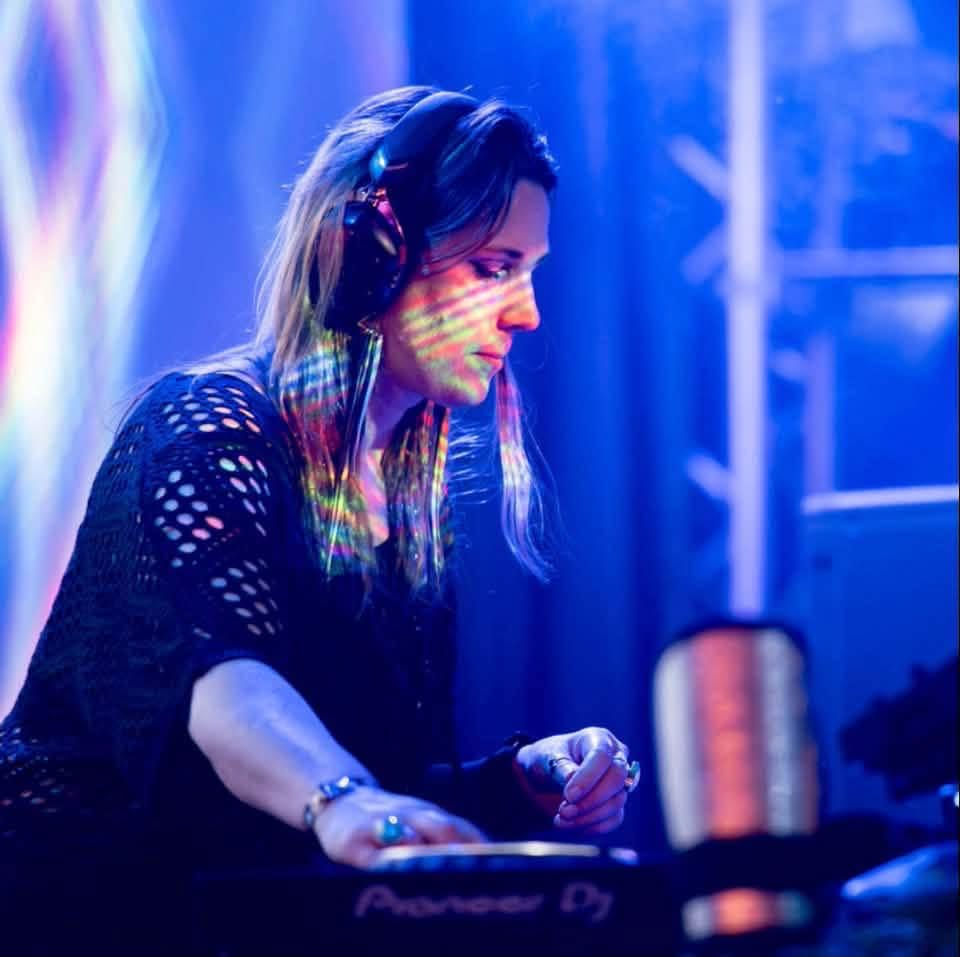
Christine Michelle es una DJ y productora radicada en Seattle, conocida por sus paisajes sonoros cargados de bajos, melódicos y atmosféricos, fusionados con influencias de la música del mundo. Con raíces en la escena underground de la ciudad, sus sets y producciones, fluidos en cuanto a géneros, están diseñados para mover las pistas de baile, elevar la energía y crear experiencias inmersivas y trascendentales.
Cuando no está actuando o en el estudio, trabaja como coach para creativos de la música, ayudándolos con herramientas de networking, visibilidad de marca y desarrollo profesional. También dirige un colectivo llamado Elevated Frequencies, a través del cual organiza eventos por toda la Costa Oeste.
Proyecto(s)
CHRISTINE MICHELLE | Elevated Frequencies
3 Preguntas:
1. Creciste rodeada de música, desde el trabajo de tu madre como pianista y compositora hasta tus propias experiencias con el coro y la viola. ¿Cómo influyeron esas primeras experiencias en la artista y DJ que eres hoy?
Crecer rodeada de piano, metales, cuerdas, coro y composición me dio una profunda apreciación por la música desde muy temprana edad. También desarrolló en mí un oído muy atento y la capacidad de escuchar las diferentes capas, armonías, texturas e instrumentos dentro de una pieza a un nivel más profundo.
Era bastante tímida mientras crecía, así que la música se convirtió en un lenguaje para mí: una manera de expresar cosas que no siempre podía poner en palabras. Me dio un espacio para superar mis propios bloqueos, soltarme y, eventualmente, encontrar la confianza para subir a un escenario.
Esa conexión todavía me impulsa hoy. Como DJ y productora, no solo pienso en lo que suena bien; pienso en lo que se puede sentir. Quiero crear una vibración musical que mueva a las personas emocional, física y energéticamente.
2. Tu camino hacia el DJing llegó más tarde, después de experimentar la cultura rave y la música electrónica de Seattle. ¿Qué tenía ese mundo que te hizo sentir: “Este es mi lugar”?
Cuando entré a mi primer rave a finales de los años 90, siendo adolescente, mi hermana me llevó y quedé completamente fascinada. Había algo en el ritmo de cuatro tiempos, la energía de la sala y la experiencia colectiva que se sentía electrizante.
A partir de ahí, me sumergí en los breakbeats, UK garage, acid house, jungle y, eventualmente, trance, happy hardcore y drum & bass. Uno de mis DJs favoritos de aquella época era DJ Czech, “Bass Clef”, porque lograba un equilibrio entre voces melódicas, breaks y acid house.
Mis amigos y yo nos metíamos todos en una Suburban y nos íbamos a todos los clubes para mayores de 18 años que pudiéramos encontrar. Lo que más me cautivaba era la complejidad de la producción: esos 808, sintetizadores, breaks y texturas que salían de un sistema de sonido enorme y vibraban físicamente a través de cada célula de mi cuerpo.
Intenté aprender a ser DJ con vinilos en 1998, pero tenía un oído muy particular y me resultaba difícil escuchar cuando las mezclas no estaban perfectamente sincronizadas. Así que me alejé del DJing durante un tiempo.
Bailar se convirtió en mi manera de mantenerme conectada con la música, y la comunidad rave se convirtió en una extensión de mi familia.
En 2009, mi vida cambió y me alejé de la escena para formar una familia fuera de la ciudad. En 2019, la música volvió a llamarme y regresé a mi comunidad musical. Me recibieron como si no hubiera pasado el tiempo.
Después de encontrar un equilibrio saludable como madre que comparte la crianza de su hija, sentí un fuerte deseo de devolverle algo a mi comunidad musical de una manera más intencional. Comencé como promotora y, en 2022, regresé al DJing y me involucré en la producción de eventos. Poco después también comencé a producir música.
Pero esta vez estaba entrando en ese mundo desde una perspectiva completamente diferente y con una visión mucho más clara de quién quería ser como artista.
3. A través de tu música y de Elevated Frequencies, también has creado espacios para la comunidad. ¿Qué significa para ti ser una mujer que está construyendo su propio espacio dentro de la música electrónica, y qué esperas que sientan otras mujeres cuando entren en él?
Como mujer y madre dentro de la industria musical, me apasiona crear oportunidades para que las mujeres lideren, creen y construyan su propio camino con confianza e intención.
He pasado gran parte de mi vida profesional trabajando en entornos dominados por hombres, y esa experiencia me enseñó a desenvolverme en esos espacios mientras desarrollaba mi propia perspectiva y estilo de liderazgo.
Creo genuinamente que, si tienes una visión para algo que puede aportar valor a la comunidad musical, debes perseguirla. Se necesita perseverancia, relaciones, retroalimentación y la disposición de seguir aprendiendo. Puedes ser una líder fuerte y, al mismo tiempo, liderar desde la empatía.
Después de tener a mi hija, sentí un deseo aún más profundo de crear algo que tuviera un impacto significativo. Quería que ella experimentara un mundo construido alrededor de la expresión y la creatividad. Eso me inspiró a reunir a las personas a través de la música y a crear ambientes donde pudieran prosperar la conexión, la creatividad y la energía compartida.
Esa visión se convirtió en Elevated Frequencies, que fundé con la intención de crear eventos inclusivos y con equilibrio de género en toda la Costa Oeste.
He hecho de esto una prioridad al crear lineups que representen a mujeres, hombres y artistas LGBTQ+. Creo que existe un gran poder en reunir las energías femeninas y masculinas dentro de un mismo espacio creativo. Para mí, ese equilibrio crea una dinámica vibrante y un entorno creativo verdaderamente inclusivo.
Mi intención al crear espacios seguros para las mujeres y para cualquier persona que entre en los espacios que creo es que puedan sentirse poderosas, capaces y conectadas con quienes realmente son.
Las mujeres siempre han tenido una voz, ideas, visión y liderazgo. El desafío históricamente han sido los sistemas y entornos que han intentado minimizar, controlar y silenciar esa voz.
Para mí, el empoderamiento consiste en ir más allá de esa narrativa. Se trata de crear espacios donde las mujeres puedan liderar, crear, colaborar, tomar decisiones, asumir riesgos y ser reconocidas por lo que aportan, sin tener que ajustarse a expectativas anticuadas sobre cómo deberían presentarse o comportarse.
Para mí es importante cultivar entornos donde las personas puedan presentarse de manera auténtica, desafiarse creativamente, apoyarse mutuamente y experimentar el poder de la energía colectiva.
Quiero ver a más mujeres creando, produciendo, haciendo DJ, liderando, colaborando y construyendo sus propios caminos dentro de la música electrónica, porque tienen algo valioso que aportar.
Eso es, en última instancia, lo que Elevated Frequencies representa para mí: crear conexiones significativas a través de la música y construir una comunidad donde las personas puedan inspirarse mutuamente y continuar creciendo.
Esta iniciativa también me llevó a fundar mi proyecto CHRISTINE MICHELLE, donde trabajo individualmente con creativos de la música en temas de mentalidad, networking, visibilidad artística y desarrollo profesional.
Mi objetivo es ayudar a los artistas a tener mayor claridad sobre quiénes son, qué quieren y cómo pueden avanzar hacia su siguiente nivel sin perder su autenticidad.